Currency exchange in Nigeria can be confusing — with multiple rates, different channels, and constantly changing regulations. Whether you're a first-timer or someone who trades regularly, these are the 15 most commonly asked questions about currency exchange in Nigeria, answered clearly.
Exchange rates change daily. As of early 2026, the official CBN rate is approximately ₦1,384 per dollar, while the parallel market rate ranges from ₦1,385 to ₦1,405. For the latest live rates, check kachiplug.com or the CBN website. Read our full breakdown of how dollar to naira rates work.
The CBN rate is the official rate set by the Central Bank. BDC rate is what licensed Bureau de Change operators charge (usually slightly above CBN). The black market (parallel market) rate is the unofficial rate driven by supply and demand. We break this down in detail in our guide on CBN rate vs BDC rate vs parallel market.
Currency exchange is legal through licensed channels (banks, licensed BDCs). Unlicensed street trading is technically illegal under CBN regulations but widely tolerated. For legal, safe exchange, use a licensed BDC or a registered exchange platform like KachiPlug Exchange.
Because demand for foreign currency exceeds the official supply through banks. When people can't access dollars through formal channels, they turn to the parallel market, where prices are higher due to scarcity. In 2026, this gap has narrowed to just 1.2-1.5%.
Yes. Lagos typically offers the most competitive rates because it has the most BDCs (2,958) and highest forex supply. Rates in smaller cities can be ₦20-₦50 worse per dollar. Read our detailed analysis on exchange rates by state in Nigeria.
A BDC is a licensed foreign exchange dealer authorized by the CBN to buy and sell foreign currency for retail customers. They serve individuals needing forex for travel, tuition, medical bills, and personal use. Nigeria has over 5,000 licensed BDCs. Learn everything about them in our complete BDC guide.
Check the CBN's official website for updated lists of licensed BDCs by state. Lagos (Broad Street, Victoria Island), Abuja (Wuse, Area 1), and Kano have the highest concentrations. Alternatively, skip the queues and exchange online with KachiPlug.
Form A is the CBN-approved process for accessing foreign exchange at official rates for eligible services like school fees abroad, medical bills, and business payments. You apply through tradesystem.gov.ng, submit documents, and your bank processes the FX purchase at the official rate.
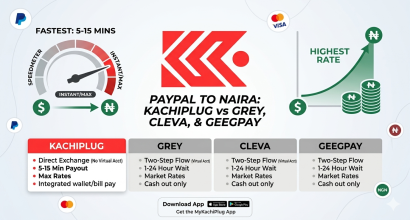
Yes. While PayPal doesn't support direct withdrawal to Nigerian banks, you can sell your PayPal balance on exchange platforms like KachiPlug Exchange for instant Naira payout. Learn more in our guide on how to sell PayPal in Nigeria.
At BDCs, you can typically exchange USD, GBP, EUR, and sometimes CAD. On platforms like KachiPlug Exchange, you can exchange 14+ currencies including PayPal, Payoneer, Skrill, Neteller, PerfectMoney, Bitcoin, USDT, Ethereum, CashApp, and more. See the full list of supported currencies.
The CBN initially banned banks from servicing crypto exchanges in 2021, but this was later overturned. Cryptocurrency trading is legal in Nigeria, and licensed exchanges operate within the regulatory framework. The SEC is developing comprehensive crypto regulations for 2026.
Several factors influence the rate:
There are 5 main methods: Form A (official CBN route), bank wire transfers (SWIFT), third-party platforms (Flywire, Convera), digital exchange platforms like KachiPlug, and BDC purchase (limited to $10,000/year). Read our comprehensive guide on how to pay school fees abroad from Nigeria.
The safest options are:
Avoid unverified street traders and social media exchange offers.
Online exchange platforms like KachiPlug Exchange often offer equal or better rates than physical BDCs, with the added benefits of 24/7 availability, no queues, instant Naira payout, and the same rate regardless of your location in Nigeria.
Visit our FAQ page for more answers, or contact our 24/7 support team via WhatsApp or Live Chat.
Have Questions? Our Team is Ready — Start Exchanging on KachiPlug →