

The dollar to naira exchange rate is one of the most searched financial topics in Nigeria — and for good reason. Whether you're a freelancer receiving dollar payments, a parent paying school fees abroad, a trader importing goods, or simply sending money to family, understanding how exchange rates work helps you make better financial decisions.
This is your complete guide to understanding dollar to naira rates in Nigeria in 2026.
| Market | Buying Rate | Selling Rate |
|---|---|---|
| CBN Official (NFEM) | ~₦1,379 | ~₦1,387 |
| BDC (Bureau de Change) | ~₦1,360 | ~₦1,395 |
| Parallel Market | ~₦1,360 | ~₦1,405 |
Note: Rates change daily. For the latest live rates, check kachiplug.com.
Not sure what the difference is between these markets? Read our detailed guide on CBN rate vs BDC rate vs parallel market.
The exchange rate isn't set arbitrarily — it's influenced by several economic factors:
The most basic factor. When many people want dollars and supply is limited, the rate goes up (Naira weakens). When supply increases, the rate goes down (Naira strengthens).
Nigeria is Africa's largest oil producer, and crude oil accounts for about 90% of export earnings and 60% of government revenue. When oil prices rise, more dollars flow into Nigeria, strengthening the Naira.
The Central Bank uses tools like:
When foreign investors bring dollars into Nigeria (for business, stocks, or bonds), it increases dollar supply and can strengthen the Naira.
Nigerians abroad send billions of dollars home annually. This is one of the largest sources of FX inflow, directly impacting the exchange rate.
High inflation in Nigeria relative to the US means the Naira's purchasing power drops, which is reflected in exchange rate depreciation over time.
| Year | Official Rate (₦/$) | Parallel Market (₦/$) | Key Event |
|---|---|---|---|
| 2021 | ~₦411 | ~₦570 | Post-COVID recovery, multiple FX windows |
| 2022 | ~₦461 | ~₦740 | Rising global inflation, election uncertainty |
| 2023 | ~₦460 → ₦900 | ~₦750 → ₦1,200 | FX market unification, Naira floated |
| 2024 | ~₦900 → ₦1,500 | ~₦1,200 → ₦1,700 | Continued adjustment, CBN reforms |
| 2025-2026 | ~₦1,380 | ~₦1,395 | Rate convergence, FX reforms, Dangote refinery impact |
It's not just the dollar that matters. Here are other major currency rates (March 2026):
| Currency | CBN Rate (₦) | BDC/Parallel Rate (₦) |
|---|---|---|
| British Pound (GBP) | ~₦1,855 | ~₦1,870 - ₦1,920 |
| Euro (EUR) | ~₦1,615 | ~₦1,620 - ₦1,645 |
| Canadian Dollar (CAD) | ~₦1,010 | ~₦1,020 - ₦1,040 |
Regardless of which channel you use, here are proven tips to maximize your exchange:
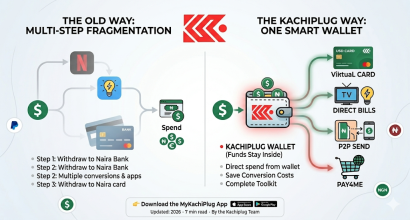
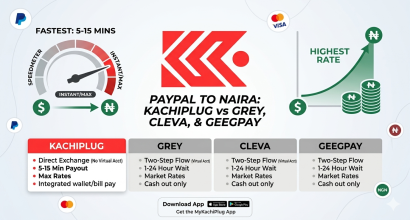
KachiPlug Exchange isn't just for crypto — it's your go-to platform for converting foreign currency to Naira at premium rates:
Will the Naira strengthen in 2026?
Several factors support Naira stability or strengthening: CBN reforms, the Dangote refinery reducing fuel import costs, growing external reserves, and increased FX supply to BDCs. However, global oil prices and inflation remain key risks.
What's the best time of day to exchange dollars?
Rates at BDCs can fluctuate throughout the day. Generally, early morning rates are more stable. On online platforms like KachiPlug, rates are consistent and available 24/7.
Is it better to save in dollars or Naira?
Given historical Naira depreciation, many financial advisors recommend keeping a portion of savings in foreign currency through a domiciliary account. However, with recent rate convergence, the answer depends on your specific financial goals and timeline.
The dollar to naira rate is influenced by oil prices, CBN policies, global investment flows, and local demand. In 2026, the encouraging sign is that the parallel market premium has shrunk to historic lows. For freelancers, remote workers, and anyone with digital currency earnings, KachiPlug Exchange offers the fastest way to get premium Naira rates — no queues, no hassle, just instant payouts.



&media=https://kachiplug.com/assets/images/frontend/blog/69aa6cfa6c57b1772776698.png)