If you've ever exchanged currency in Nigeria, you've probably heard someone say "the black market rate is..." — but what exactly is the parallel market? How is it different from the official CBN rate? And is it even legal?
In this comprehensive guide, we'll explain what Nigeria's parallel market is, how it works, why it exists, and how it affects the exchange rate you get for your dollars, pounds, or euros.
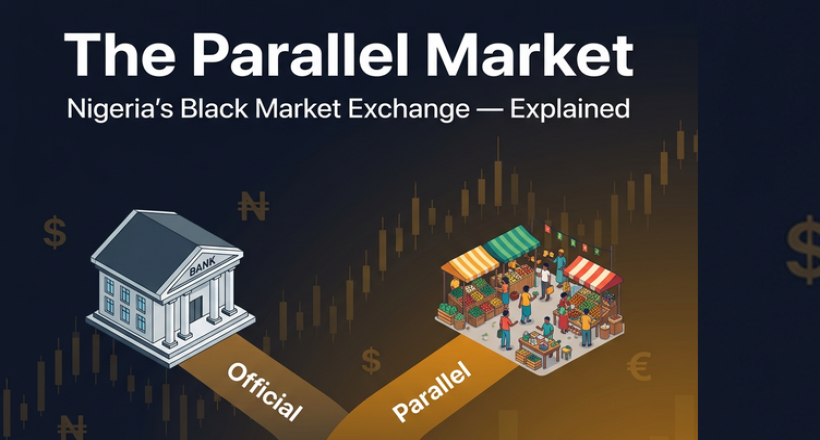
The parallel market (commonly called the "black market") is an unofficial foreign exchange market in Nigeria where currencies are traded outside the formal banking system and regulated channels.
Unlike the official market controlled by the Central Bank of Nigeria (CBN), the parallel market operates based purely on supply and demand — buyers and sellers negotiate rates directly.
The parallel market operates through several channels:
The parallel market exists because of a gap between the demand for foreign currency and the official supply. Here are the root causes:
| Feature | Official Market (CBN/NFEM) | Parallel Market (Black Market) |
|---|---|---|
| Regulation | Fully regulated by CBN | Unregulated |
| Rate determination | Volume Weighted Average (NFEM) | Supply & demand negotiation |
| Accessibility | Banks only, requires documentation | Open to anyone |
| Speed | Days to weeks (Form A process) | Immediate (cash-and-carry) |
| Rate premium | Baseline (lowest rate) | 1.2% to 50%+ above official (varies by year) |
| Transaction size | Suitable for large/commercial | Typically small to medium retail |
| Receipt/documentation | Full paper trail | No formal records |
| Risk | Low (regulated, insured) | Higher (counterfeit notes, scams, legal risk) |
The gap between the official and parallel market rates has fluctuated dramatically over the years:
This is a nuanced question:
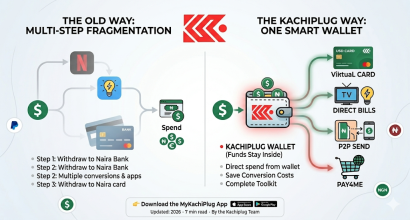
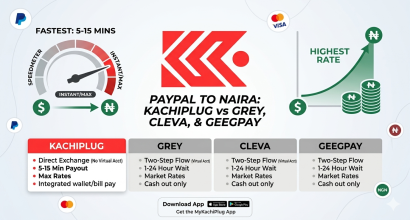
Instead of risking counterfeit notes, scams, or legal issues in the parallel market, thousands of Nigerians now use digital exchange platforms that combine the convenience of the parallel market with the safety of regulated services.
KachiPlug Exchange offers:
Why is the parallel market rate different from CBN rate?
Because the parallel market is driven by actual supply and demand, while the CBN rate is influenced by policy interventions. When demand exceeds official supply, the parallel rate goes higher.
Will the parallel market disappear in Nigeria?
Unlikely in the short term, but the gap is narrowing. As CBN reforms continue and FX supply increases, the parallel market may eventually converge with the official rate — as is already happening in 2026.
Is it better to exchange at a BDC or the parallel market?
Licensed BDCs are safer and often offer similar rates. But for digital currencies like PayPal, Payoneer, and crypto, platforms like KachiPlug Exchange offer the best combination of safety, speed, and rates. Read more about how BDCs work in Nigeria.
Nigeria's parallel market exists because of the gap between FX demand and official supply. While recent reforms have narrowed the premium to historic lows, the smart choice for exchanging digital currencies is to skip both the parallel market and physical BDCs entirely. KachiPlug Exchange gives you parallel-market-level rates with zero risk — all from your phone.